Monday, October 12, 2015

HORMONAL BLISS: The Power is Within You!

So I've got another little story for you about those crappy menstrual cramps I used to get. One day I was so frustrated with suffering every month that I scheduled an appointment with a doctor at the clinic on campus.  I figured that since I had been struggling with debilitating menstrual cramps for so long,  it was time to get a doctor's professional opinion. After having a seat and pouring out my soul to the doctor about my problem, I received a very unhelpful response. Basically I was told that no one is bothering to research PMS or menstrual cramps because women aren't dying from it. There was nothing she could do for me. She then recommended that I switch from Tylenol to Advil for pain relief. And off I went. Very unsatisfying.
Luckily she was wrong. Very, very wrong. Ok, wait. She wasn't totally wrong - I mean there was nothing she could do for me, but there was plenty that I could have done for myself to balance my hormones and heal my cycle. It would have been nice to be pointed in the right direction though.
Healing PMS, menopausal distress, fertility issues, cramps etc means looking closely at three elements: 

How you are eating.
How you are moving.
 How you are thinking. 

Hormonal health requires balancing body, mind and spirit. This concept has become so cliche - but I am living proof that if you are earnest and committed to creating balance in your life, it can be done, and it will result in Hormonal Bliss.
The countdown is on - only 9 more days until The Hormonal Bliss Project is launched and available to help all women (and those who love them) achieve health, harmony and bliss. You don't need to suffer every month - and the good news is that when you heal your PMS, you are also setting the stage for a happy and blissful menopause too. If you've already entered the menopausal years, it's not too late! Your body is giving you another chance to nurture and honour your femininity and your needs.
GOOD NEWS! I am offering a scholarship to the Hormonal Bliss Project! Just shoot a short clip telling me the best (or worst) advice you've ever received for helping you cope with PMS or Menopause and post it on the Keeping It Real Natural Living Facebook page. When the course launches on October 21st I will pick one winner!  Good luck.

Sunday, September 27, 2015

HORMONAL BLISS PROJECT For Painless PMS & Menopause COMING SOON!

What do you mean painless PMS & Menopause?! There's no such thing!
Let me tell you a little story. 
I used to get really bad menstrual cramps. I mean really, really bad, like to the point where I couldn't do anything unless I was on pain medication. Needless to say this was very disturbing and disruptive. Then one day, about 10 years ago, I decided to do a little experiment. I had recently read Eckhart Tolle's book "The Power of Now" and it totally changed the way I perceived my reality. I thought I'd apply the concept presented in his book to the way I experienced the pain of my menstrual cycle. I scheduled off the entire day and decided to just be present with the pain. Instead of fearing it, dreading it, and trying to fight it, I thought I'd play with fully experiencing it. So I did - and the cramps disappeared. I know, it's amazing. It still is amazing. I have never had to medicate myself for cramps ever since that day. 
This is just one example of how empowering it can be when women listen to their bodies and learn to work with their bodies instead of loathing, fearing and suffering because of them.
If you too suffer from menstrual irregularities, PMS, breast tenderness, uncomfortable pre-menopausal symptoms, or infertility, then The Hormonal Bliss Project is for you, and it's launching on October 21st!

This course explores the four main phases of a woman's life that are related to and defined by the expression of her fertility and sexuality. We explore how what happens during and around these transitions sets the theme for a woman's experience of her self in her new roles throughout her life.
You will discover how a healthy menstrual cycle can help set the stage for a blissful menopause!
We explore the keys to Hormonal Balance through Diet and Nutrition, Exercise, Yoga, Natural Living and Emotional Wellness.
I am very excited to share a healthy and holistic perspective on women's reproductive health. Despite what you may have been told, your reproductive system is designed to function optimally without causing you a lot of pain and distress. Our modern lifestyle is the source of unhealthy dietary habits, disease, and incredible amounts of stress which are reflected in our bodies and emotions. In this course I share effective and natural tools and strategies you need to live a healthy and balanced life, no matter what time of the month or season of your life.


Friday, September 18, 2015

SEASONAL LIVING PROGRAM- Autumn


Launching Autumn Equinox 2015 - September 23rd!
I am very happy to announce this first of four programs in my Seasonal Living Series. 
The series is designed to assist you in creating harmony and balance in your life by becoming consciously connected to the earth and it's rhythms. 
A seasonal routine is an important cornerstone of health - year round.

Program Includes:

* a Seasonal Rejuvenation Protocol
* 3 Yoga and Pranayama Videos
* Supplements and Dietary Recommendations for Autumn
* 60+ Seasonal Recipes
* Herbs & Recipes for Enhancing Immunity
* Seasonal Celebrations
* Wildcrafting in Autumn

Pre-order your copy now and save 25%!

Wednesday, September 9, 2015

PEACHES

A little road trip to the Annapolis valley happily resulted in the acquisition of a half bushel of peaches. I have to be honest, I've never had this many peaches to work with before so everything I made with them were delicious experiments.


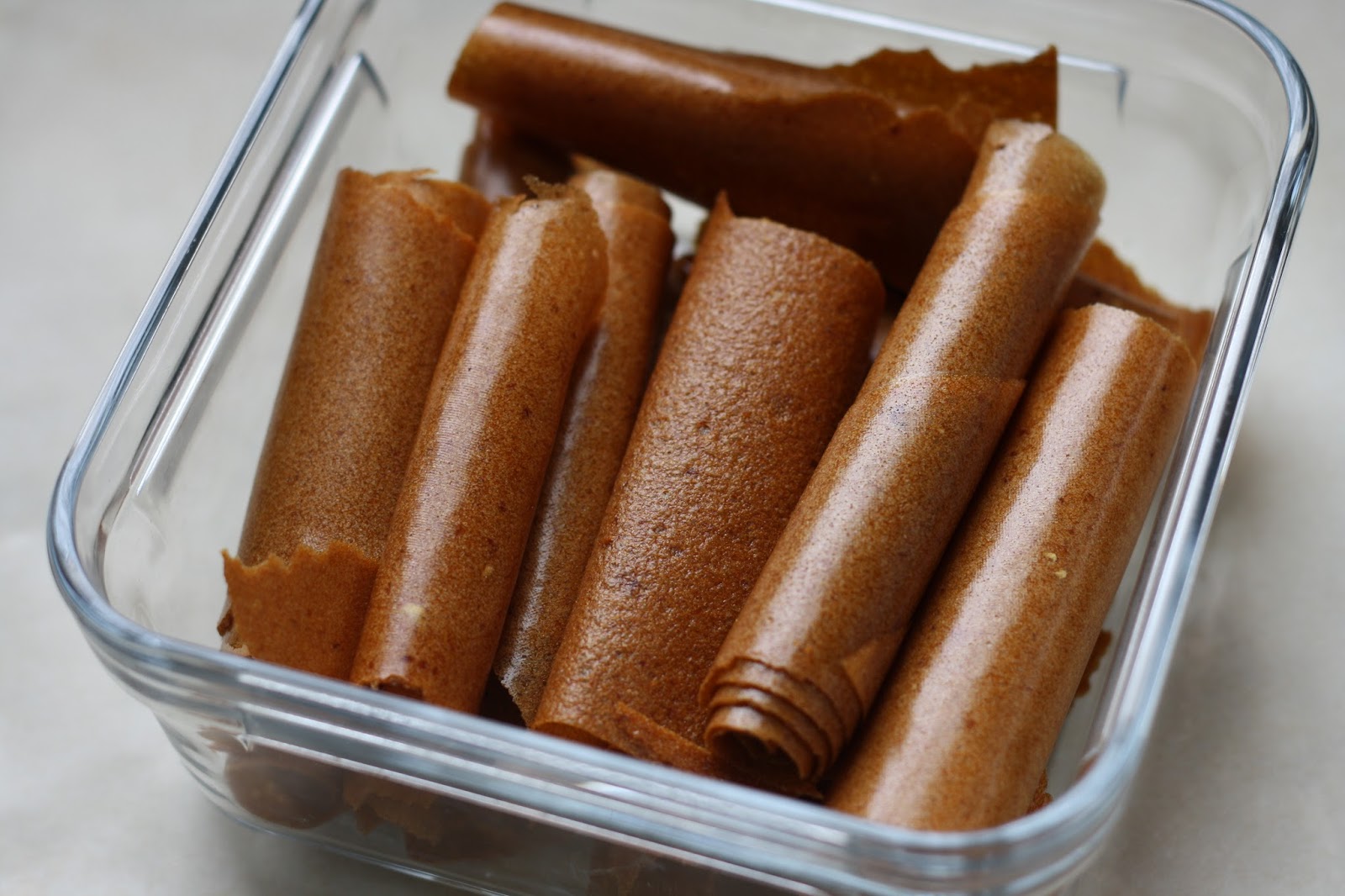
Delicious Experiment #1: Peach Cherry Apple Fruit Leather
     This one doesn't really need a recipe, I simply put a bunch of peeled and cut peaches in the VitaMix with some frozen cherries and a couple of chopped apples and pureed. Poured the puree onto dehydrator trays and dried them over night. Cut and store rolled in a sealed container.


Delicious Experiment #2: Peach Jam
     Ok so this one was a bit of a flop because it turned out way too runny. The addition of a couple of chopped apples would have provided enough pectin to make this one awesome.


Delicious Experiment #3: Peach Crisp
     A total winner.


PEACH CRISP

5 cups sliced, peeled peaches
3 Tbsp organic corn starch
1/4 cup maple syrup

Crumble Topping:
2 1/4 cups rolled organic oats
3/4 cup organic flour (I used sprouted spelt)
3/4 tsp sea salt
1 tsp cinnamon
3/4 cup organic sugar (brown or coconut)
3/4 cup organic butter

Method: Preheat oven to 350*F. Combine the peaches with corn starch and maple syrup in a large bowl. Pour into a 9" X 13" baking dish. 
Using the same bowl you just did for the peaches, combine the oats, flour, salt, cinnamon and sugar. Cut the butter in a with a pastry cutter or your hands until every piece of oat is mixed with the butter. Sprinkle onto the peaches and bake in the oven for about 25 minutes.

Saturday, August 29, 2015

COUNTER CULTURE

     I was honoured to be invited to present a workshop on fermenting at Bridgewater's Up!Skilling Expo last weekend. My first instinct was to share my absolutely favourite recipe for Dill Pickled Cucumbers and Beans with everyone because they are so easy to make, and taste amazing! It's hard to believe that this very classic (and healthy) recipe and method for making pickles has virtually disappeared from our kitchen cultures. Good thing fermenting is experiencing a serious revival because I honestly can't imagine life without these babies.
Like I discuss in the video, fermented beans and cucumbers are a great way to preserve fresh vegetables from your garden, while at the same time making them more digestible and inoculating your system with beneficial probiotics. Amazing eh?!
DILL PICKLES AND BEANS
via Lacto-Fermentation

a couple of handfuls of fresh organic string beans, stems removed and/or
about 6-7 organic pickling cucumbers
3 Tbsp unrefined sea salt
fresh organic dill blossoms
fresh organic garlic cloves, peeled
1/2 Tbsp organic mustard seeds
5 cups filtered water
clean mason canning jars

Method: Place a dill blossom, a couple of cloves of garlic, and the mustard seeds in the jar. Then fit in as many cucumbers or green beans as you can. In a glass measuring bowl, dissolve the salt in the water and then pour over the vegetables, being sure to cover them completely. Screw on lids and place the jar on a plate or in a bowl to catch any potential overflow, and place on your counter or on top of your fridge for about 3 days. You'll know they are done fermenting when the brine becomes cloudy and the vegetables turn a darker shade of green. Store in a cool place like a cold cellar or refrigerator. Enjoy!

Thursday, August 27, 2015

I'M SO SICK OF SMOOTHIES

     Don't get me wrong, I will very occasionally whip up a smoothie for breakfast or a snack, but can we please end the hype about smoothies?! Smoothies are tasty and fine as an occasional food item, but they are not an essential aspect of a healthy diet. Come winter, I'd take a nice warm bowl of soup over an icy cold smoothie full of tropical fruit any day. Not to mention the overdosing people are doing on raw leafy greens chock full of oxalic acid, which when eaten in large amounts can actually cause more harm than good.
     As a holistic nutritional consultant people sometimes assume a few things about me and they include:

1) That I'm a smoothie fanatic
2) That I'm a vegetarian
3) That I'm a juicing fiend
4) That I prefer raw foods
5) That I think butter and saturated fats are bad
6) That I recommend avoiding dairy

     It's no wonder - take a peek through the latest selection of "healthy" cookbooks - and you will find these sorts of messages plastered on every page. You will be very hard pressed to find a decent selection of recipes that contain meat or animal proteins because plant-based diets are all the rage right now. To be honest, I am getting quite frustrated by it all. These best selling books have a common themed story about how the author abused their bodies their whole lives and ate crappy food and became really sick, and ever since they started eating ________ (fill in the blank) they are no longer sick, and so this is the diet they are sharing with everyone. There is an inherent problem being presented here - these diets are probably useful if you suffer from a similar ailment as the author did, but if  you don't then you are unnecessarily following a very restricted diet. Don't get me wrong, there are some good elements and messages contained within some of these publications, but as a whole I'm getting tired of being told I have to stop eating everything but vegetables and seeds in order to be healthy.
     I don't know about you, but I've never been really sick, at least not to the point where I've had to make seriously drastic changes to my diet in order to heal. In some cases, yes people do need to alter their diets significantly, at least temporarily, in order for their bodies to heal. And yes, our modern overly processed and low quality diets do require serious modification as a whole, but my take on nutrition isn't so much on what we eat, rather it's focusing on the quality of what we eat, and how we prepare our food. I was fortunate to have been raised in a family that ate healthy, home cooked meals, and my interest in healthy living and eating these days is to maintain my good health.
     So, here is what you can expect from me:
* Delicious recipes that are designed for omnivores/adaptavores - yes I like plants, but in no way shape or form am I exclusively "plant-based".
* A tendency to emphasize the importance of eating food that is local, organic, seasonal, and natural.
* Encouragement to include animal proteins in your diet from ethically raised, organic and pastured animals.
* An interest in the revival of traditional foods/diets/methods of food preparation.
* A desire to see people loving what they eat! Eating is meant to be pleasurable - it is a celebration of life, and I'd like us to start treating it that way. Feeling deprived when you eat is unhealthy. I am especially fond of encouraging people to eat the way their families and ancestors have been eating for generations.
* And finally, breakfast suggestions that you can sit down and enjoy with a knife and fork (or at least a spoon) and chew for goodness sake. We may have plenty of time to eat pureed foods (i.e. smoothies) when we are very old and have no teeth.

Tuesday, August 18, 2015

MILK

     What thoughts come into your mind when you hear the word milk? It's amazing how one word can cause such a ruckus these days. We all know that breastmilk is best for both mom and babe, but when it comes to consuming milk from an animal, the controversy begins. Regardless of whether or not you drink milk from a cow or an almond, it's very difficult to buy good quality milk. Here's why I don't by any milk from a store.
DAIRY: I am a big fan of dairy products. Clean, raw milk from grass-fed cows is a very healing, complete, and balanced food. Did you know that you could live exclusively off milk? Unfortunately, access to good quality raw milk is limited in most parts of North America, with many people having to resort to procuring it illegally. This is really unfortunate because people are more likely to get sick when they have to access much needed services and goods illegally. So, when it is in season and available, I get raw milk from my goats or a local farmer. I really try to avoid buying milk from the store, even if it is organic because the milk has been denatured. Store bought milk is skimmed, pasteurized, homogenized, and fortified with synthetic vitamin D. Not to mention the unsavoury living conditions of a dairy cow, most of who are kept in intense confinement, in individual stalls, on hard cement floors, hooked up to milking machines and forced to produce milk ten months out of the year. These same cows are usually fed GM corn and soy instead of their natural diet of grass or hay. Let's not forget the antibiotics and hormones that are given to cows who live in these un-natural conditions. Ok, so they don't use hormones in Canada, but you can bet they do in the US.

Pasteurization: Is a type of heat treatment that destroys much of the goodness in milk and makes the components of the fat less healthy. Pasteurization destroys enzymes, diminishes vitamin content, denatures fragile milk proteins, destroys vitamins, kills beneficial bacteria, and promotes pathogens.

Low Fat Milk: Milk and dairy products like yogurt and cheese can be very healthy food, but only if the milk contains all the fat. The butterfat in milk provides important vitamins like A, D, and K2, which are needed to help you absorb the calcium, phosphorus and other minerals in milk. The butterfat in milk also makes it much easier to digest and also less likely to cause illness.
- synthetic vitamin D, known to be toxic to the liver, is added to replace the natural vitamin D complex in butterfat. Non-fat dried milk is added to 1% and 2% milk as well, but unlike the cholesterol in fresh milk which plays a variety of healthy roles in the body, the cholesterol in non-fat dried milk is oxidized and it is this rancid cholesterol that promotes heart disease.

Homogenization: Is a process that breaks up the fat globules and evenly distributes them throughout the milk so they they do not rise to the top. This process unnaturally increases the surface area of fat exposing it to air, which causes oxidation and increases susceptibility to spoilage. Homogenization has been linked to heart disease.

     You can start to see why the junk they are selling at the store is a bit of a turn off for me right? So what can you do if you want to drink milk, but only have access to the conventional store bought stuff?

1. Reduce your consumption of conventional milk. Find other ways to get your protein, calcium, and good fats from nuts, seeds, dark leafy greens, and free-range eggs. Include mineral rich bone broth into your diet daily. Supplement with Cod Liver Oil to get vitamins A & D as well as essential fatty acids.

2. Focus on cultured dairy. If raw milk is unavailable, you can still include cultured dairy products in your diet. The culturing of milk provides many of the benefits that the pasteurization removes from milk. Cultured milk products have added bacterial cultures which promote good digestion and a health intestinal tract, and are not associated with the same problems as drinking regular cow's milk. Your best bet is to make your own though, especially yogurt, because most commercially available yogurts contain skim milk powder and other thickeners. If you really look hard, you can find a few companies producing yogurt from unhomogenized milk and cultures only.

3. Look for organic un-homogenized milk. This is as good as it gets at the store. Hard to find, but it is out there.

NON-DAIRY MILKS
     You may be one of the millions of people who prefer to just buy non-dairy milk, whether it's coconut, almond, soy, rice etc. Almond or other nut milks are fairly good options. They offer some good protein, fat, and calcium, along with other nutrients contained in nuts. One problem is that commercial nut milks are not made from soaked or sprouted nuts or seeds, which makes these products difficult to digest because they contain phytates which inhibit mineral absorption. 

     Non-dairy alternatives I do not recommend include soy and rice milk products. Soy disrupts sex hormones and is known as a phytoestrogen. This means that it contains natural compounds that mimic estrogens in our bodies. Soy also has known goitrogenic effects on the thyroid, which means it depresses thyroid hormone production. Soy also contains protease inhibitors, which frustrates the body's digestion of protein, and it contains phytic acid which prevents minerals from being absorbed in the body. Rice milk is pretty much just sugar water, and unfortunately most of these packaged milks  usually contain poor quality, hard to absorb calcium, synthetic vitamins A & D, and other supplements to give them a nutritional profile similar to that of dairy. There is also the carrageenan found in most boxed non-dairy milks, which is associated with inflammation of the digestive tract. They are also usually loaded with unnecessary flavourings. sweeteners and thickeners too.

So what do I drink and cook with when I can't get raw milk? I make my own almond milk from organic raw European almonds. I also like to use canned coconut milk, which I often dilute with some water so it isn't so thick. I take fermented cod liver oil and drink homemade broth all year as well.

HOMEMADE ALMOND MILK

1 cup raw European almonds (unpasteurized)
4 cups water
2 organic dates, pitted

Method: Soak almonds over night in enough water to cover. In the morning, drain and rinse. Add almonds to a high speed blender with the 4 cups of water and dates. Blend on high for about 1 minute. Strain through cheesecloth or a nylon nut milk bag. Refrigerate.